Tarpon Club Isla Holbox

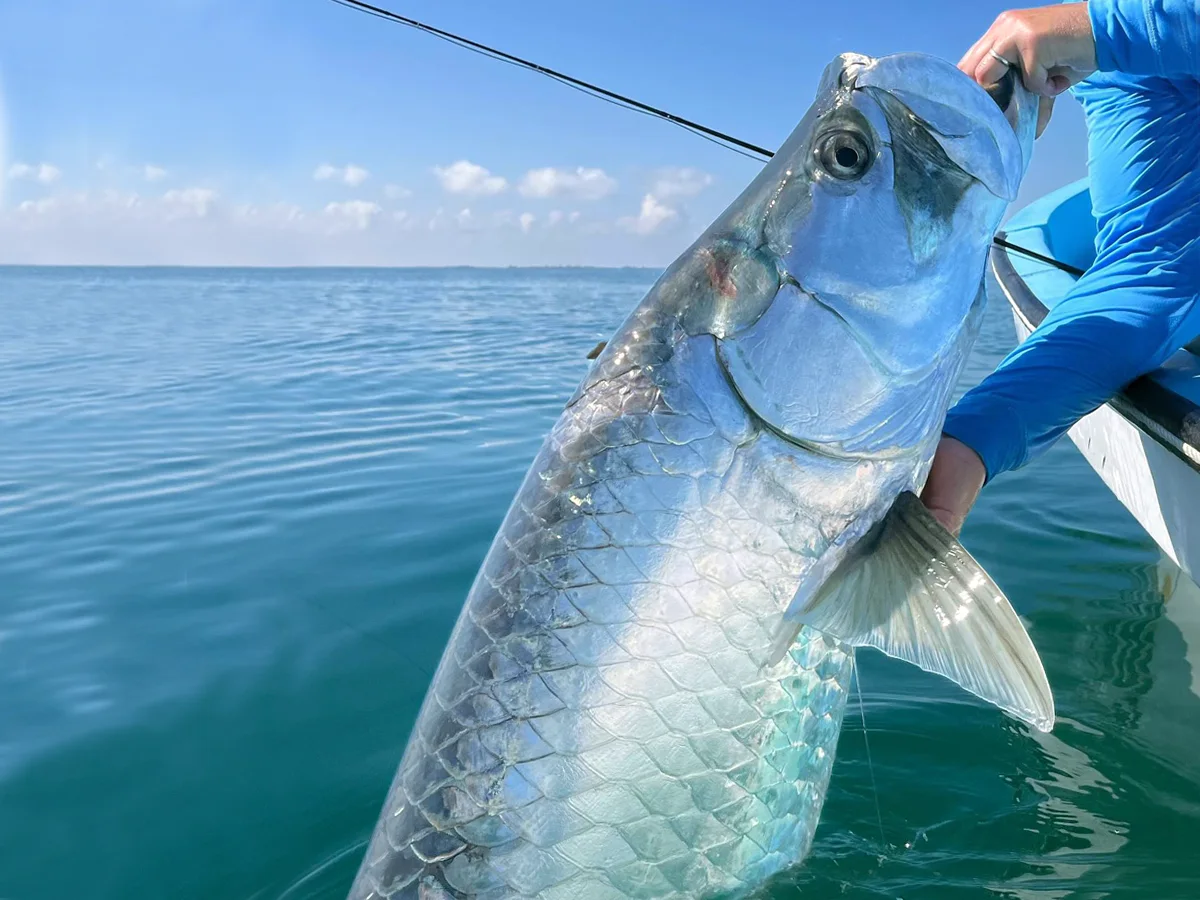
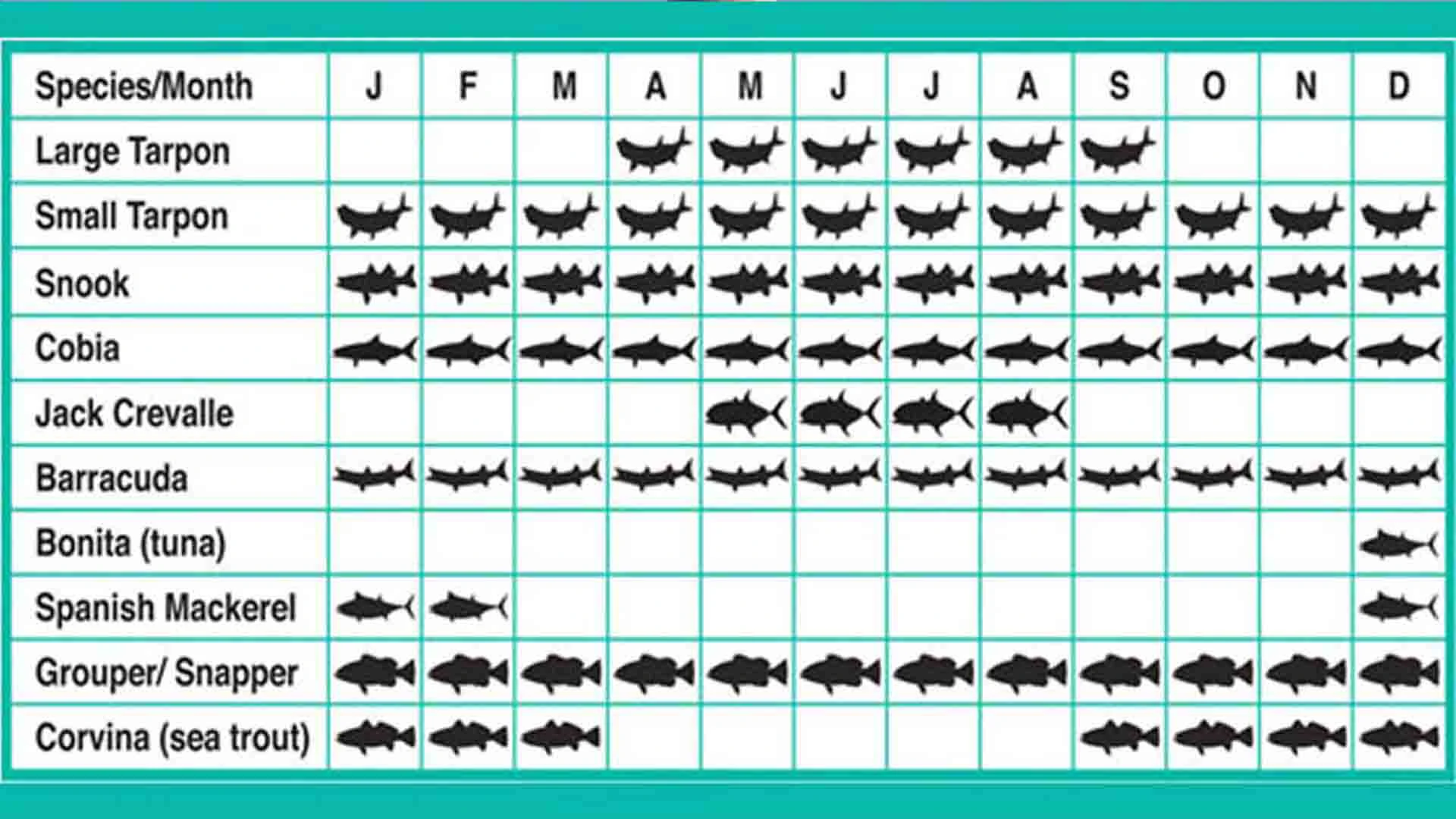
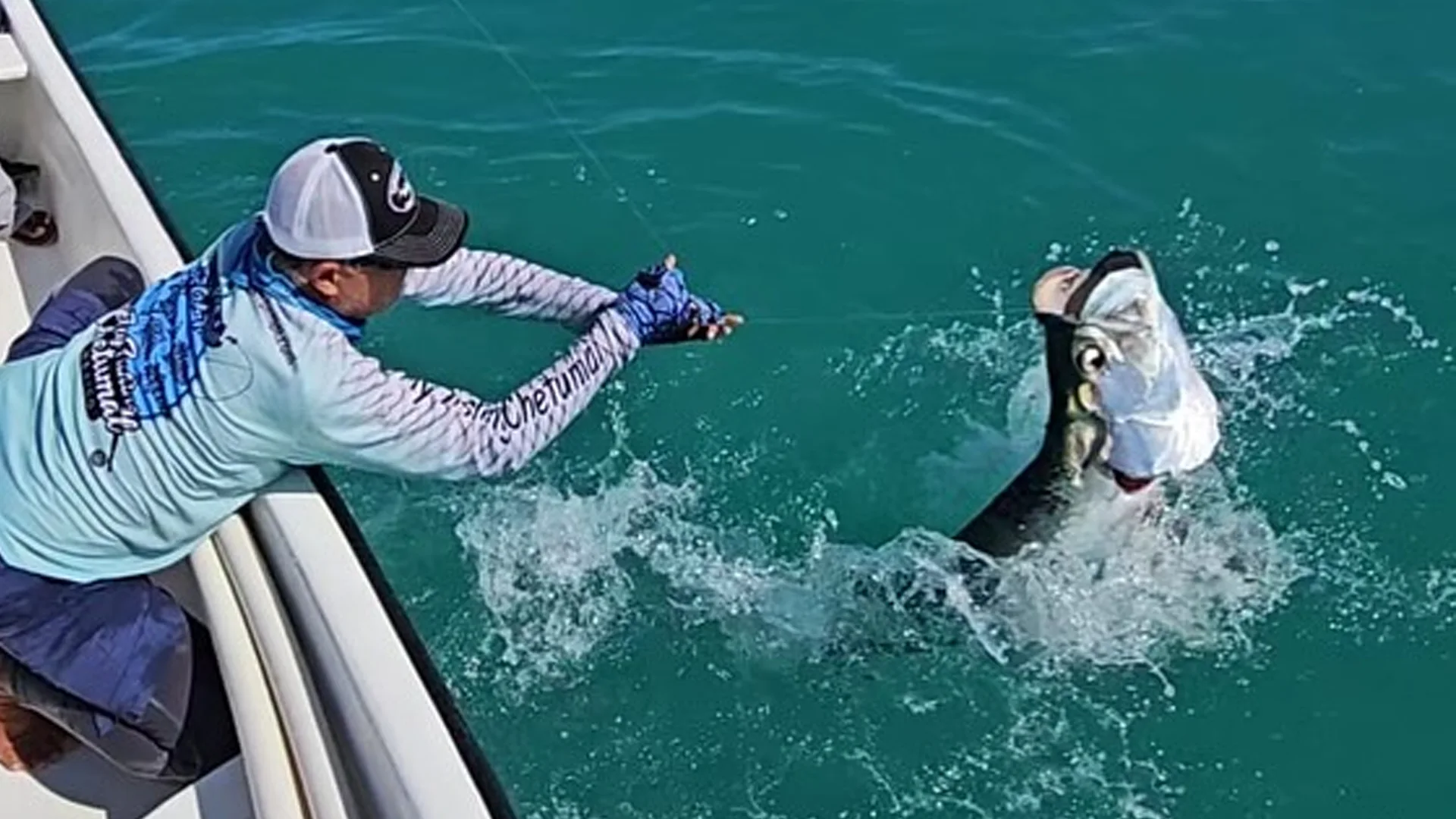
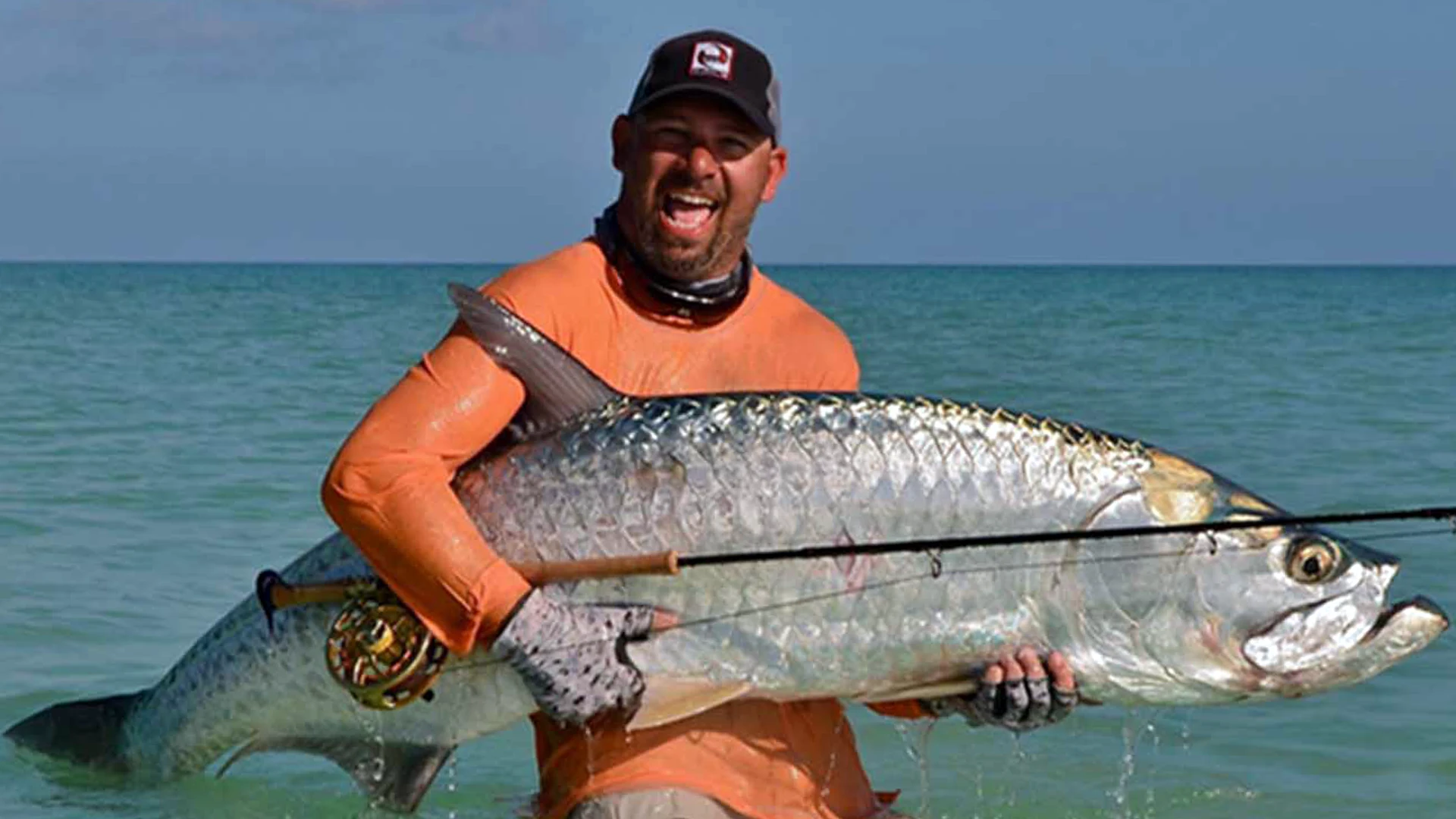
Holbox is renowned for its juvenile tarpon, typically 5-40 pounds, which are available year-round, and for larger migratory tarpon in the 75-200 pound class. From May through September, tarpon over 100 pounds are common, offering anglers the chance at truly memorable battles. These trophy fish are powerful enough to destroy most tackle, and hour-long fights are often the rule rather than the exception. All tarpon fishing is strictly catch-and-release. In addition to tarpon, Holbox also offers plentiful barracuda, snook, and occasional permit throughout the year, making it a prime saltwater flats fishery.
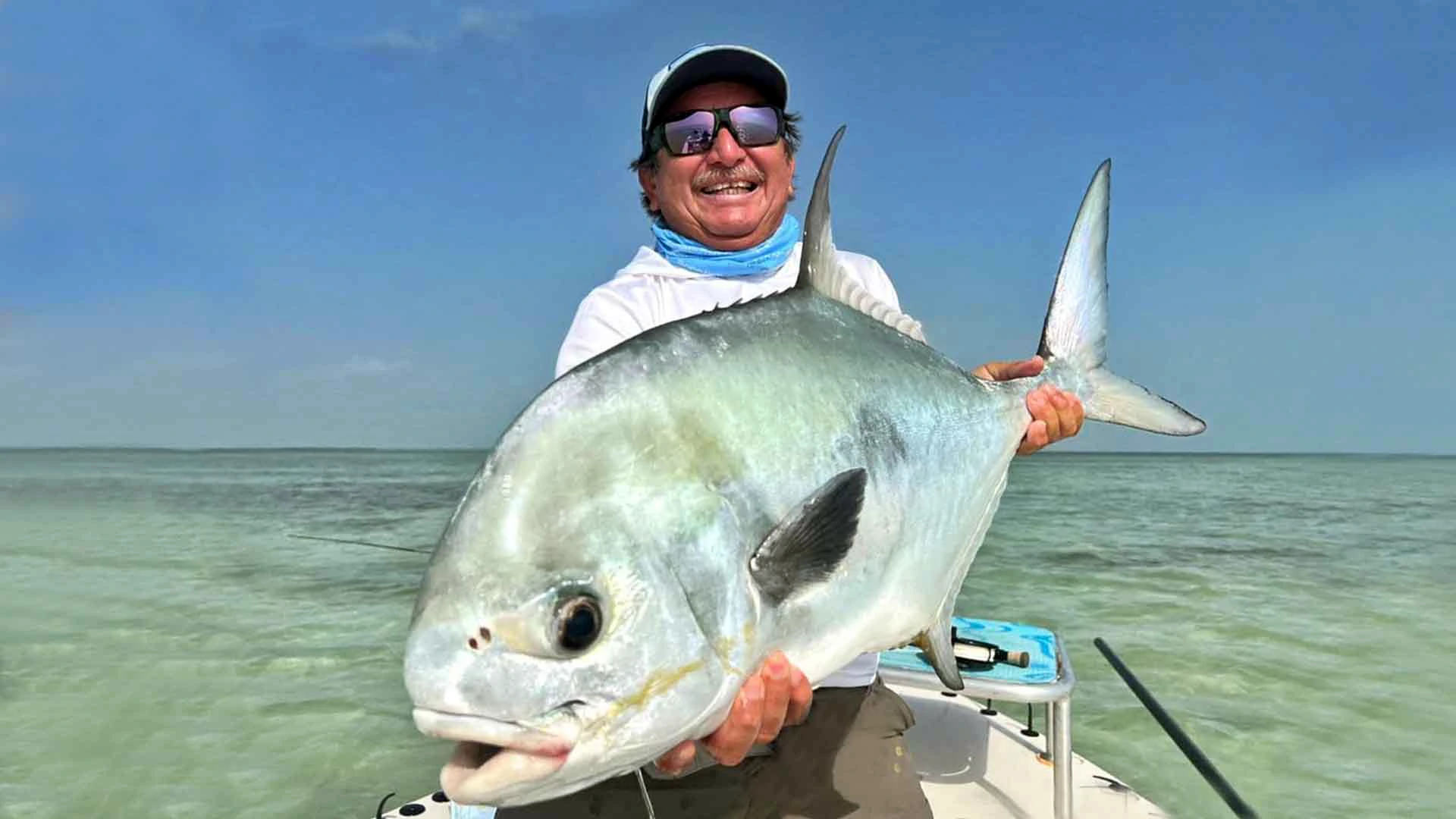
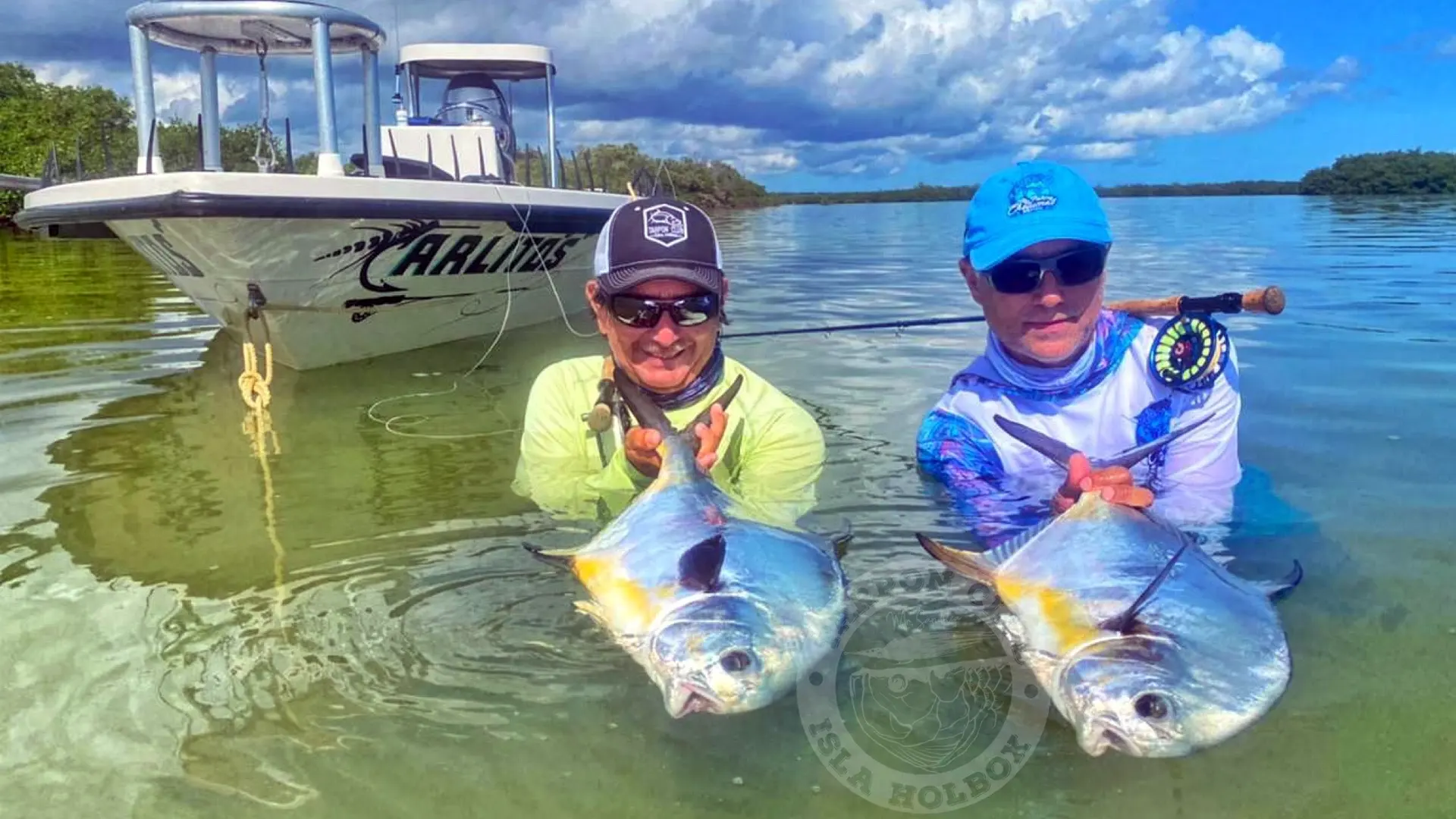
Sandflea with Large Permit
Holbox's Tarpon Club has guided anglers here since 1996. Sandflea, the head guide, is a legend.
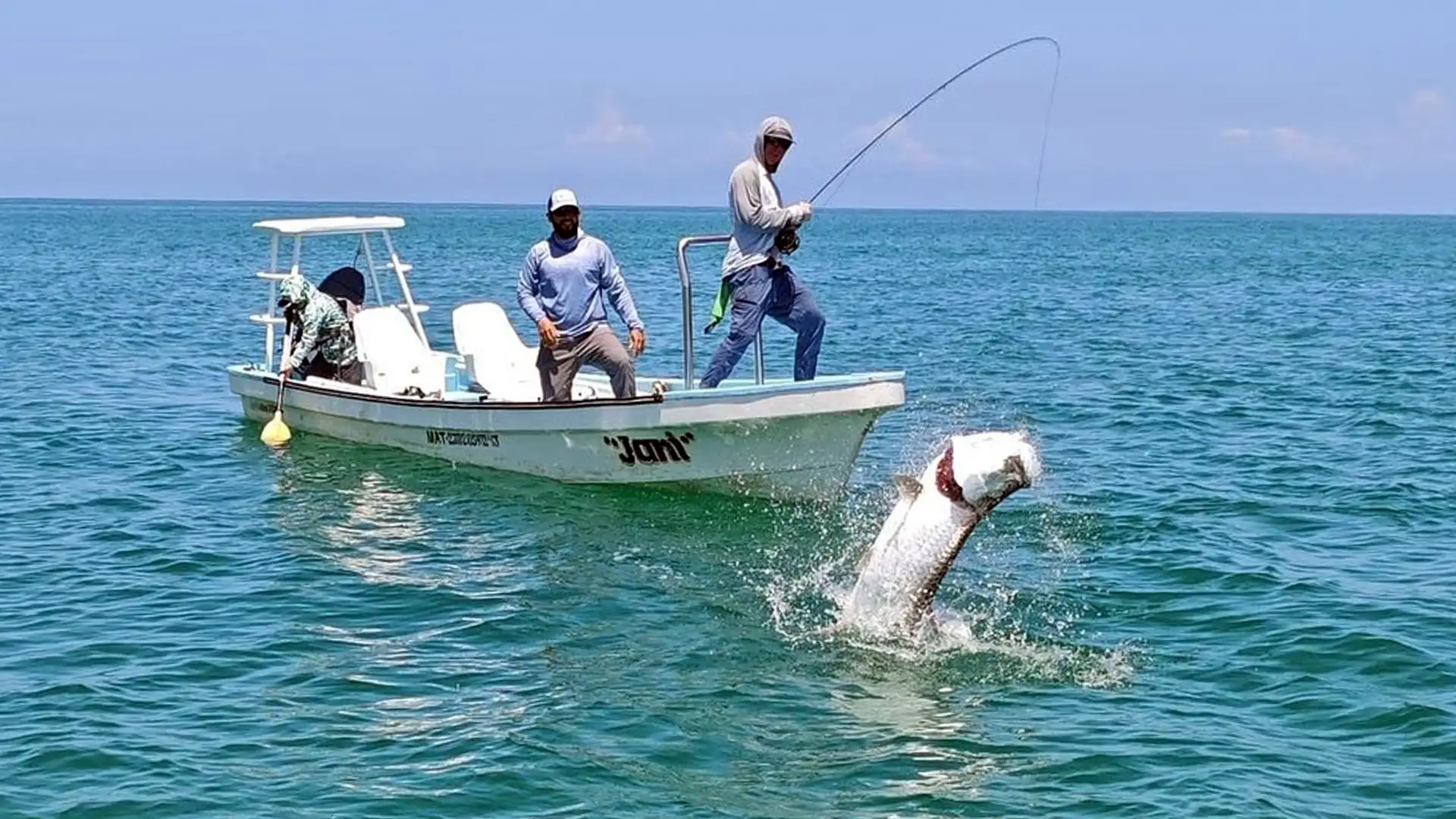
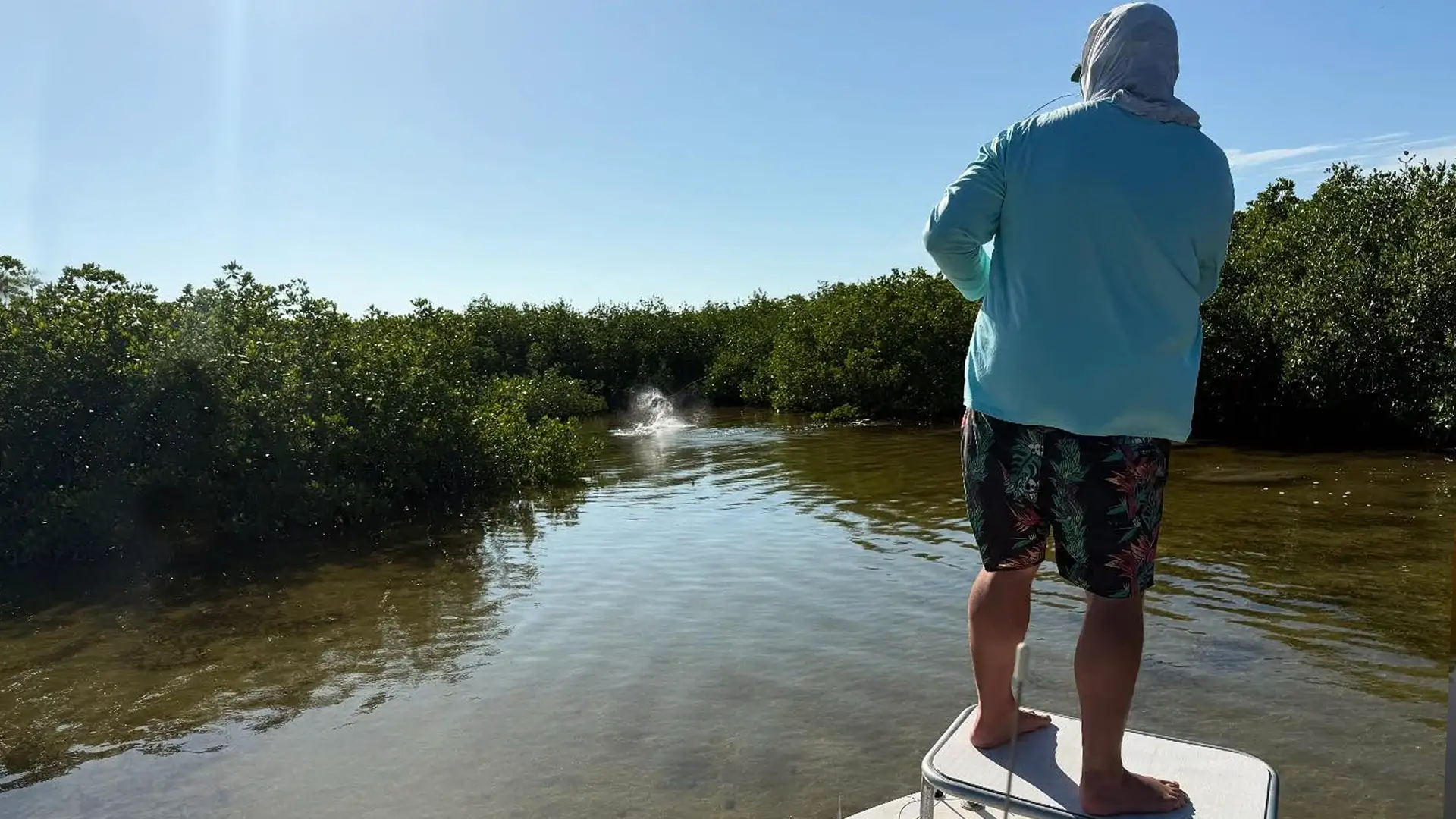
The island is ideal for anglers seeking world-class, clear, warm-water fishing. You'll target big tarpon, baby tarpon, snook, barracuda, cobia, sea trout, and even permit on occasion. Fly-fish from flats-style pangas. Present your Black Death fly to schools of giant tarpon in clear, shallow water, where each battle can last 45 minutes or more. Depending on afternoon water conditions, trips may move into the mangrove lagoons, where the guide will pole the boat in search of baby tarpon and snook.
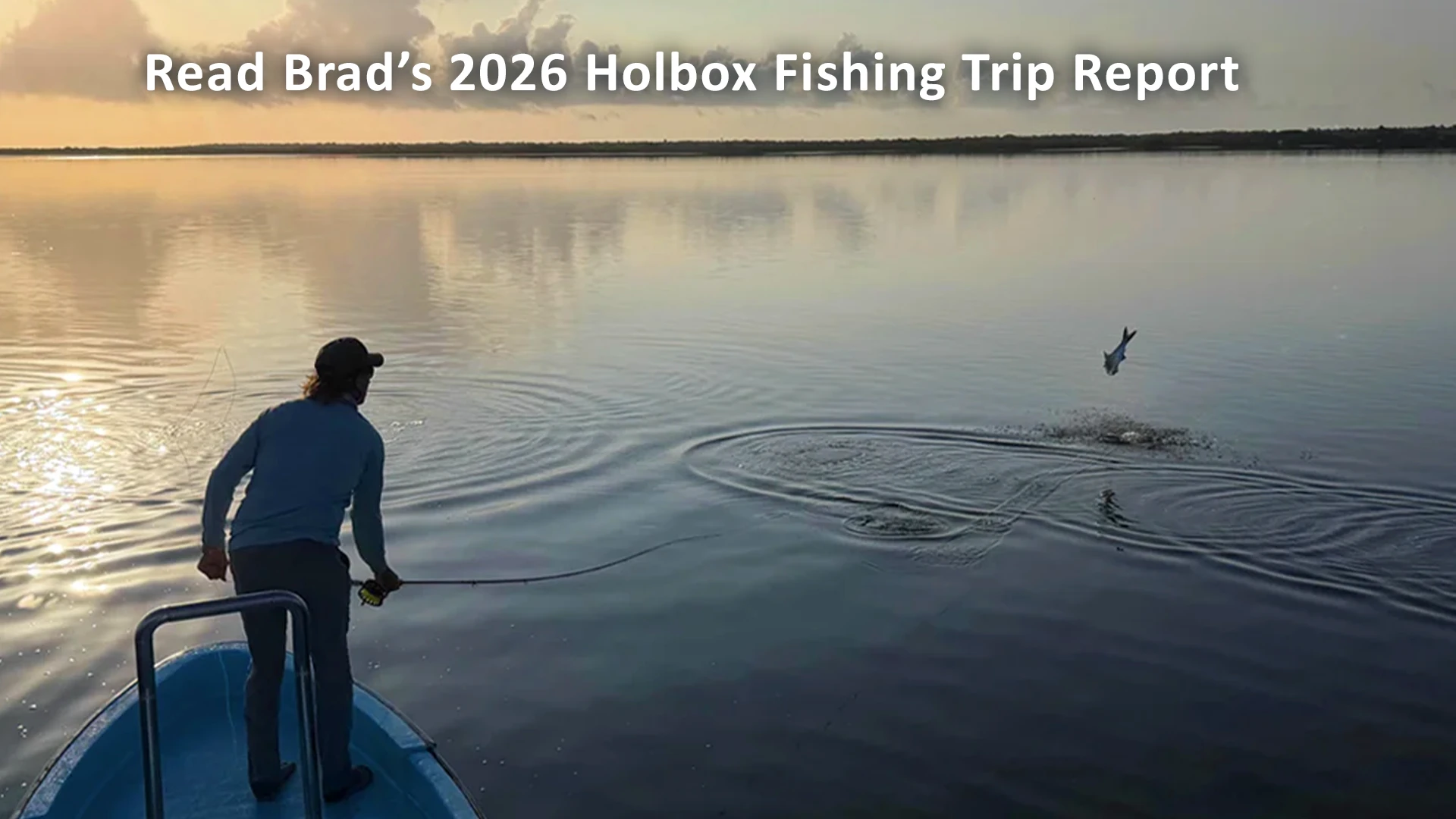
Young Angler and Sandflea with Baby Tarpon
Season: Holbox offers a year-round tarpon fishery, with peak season from May through September when big migrating tarpon join the resident baby and juvenile population. During the summer, most fishing is offshore for these powerful giants as they migrate along the island. From October to April, the focus shifts to the mangroves of the upper island, where anglers fly-cast in two- to five-foot flats for baby tarpon, barracuda, jack crevalle, snook, and other shallow-water predators.
A Typical Fishing Day:
After breakfast, you’ll depart around 6:00 a.m. with your guide and a fellow angler to the fishing grounds. Depending on conditions, your guide will choose whether to target offshore waters or explore the lagoons. Enjoy a packed lunch on the boat before heading back. You’ll return to your hotel around 2:00 p.m. Dinner is on your own, with plenty of restaurants in the village to choose from.
The Fishing Program:
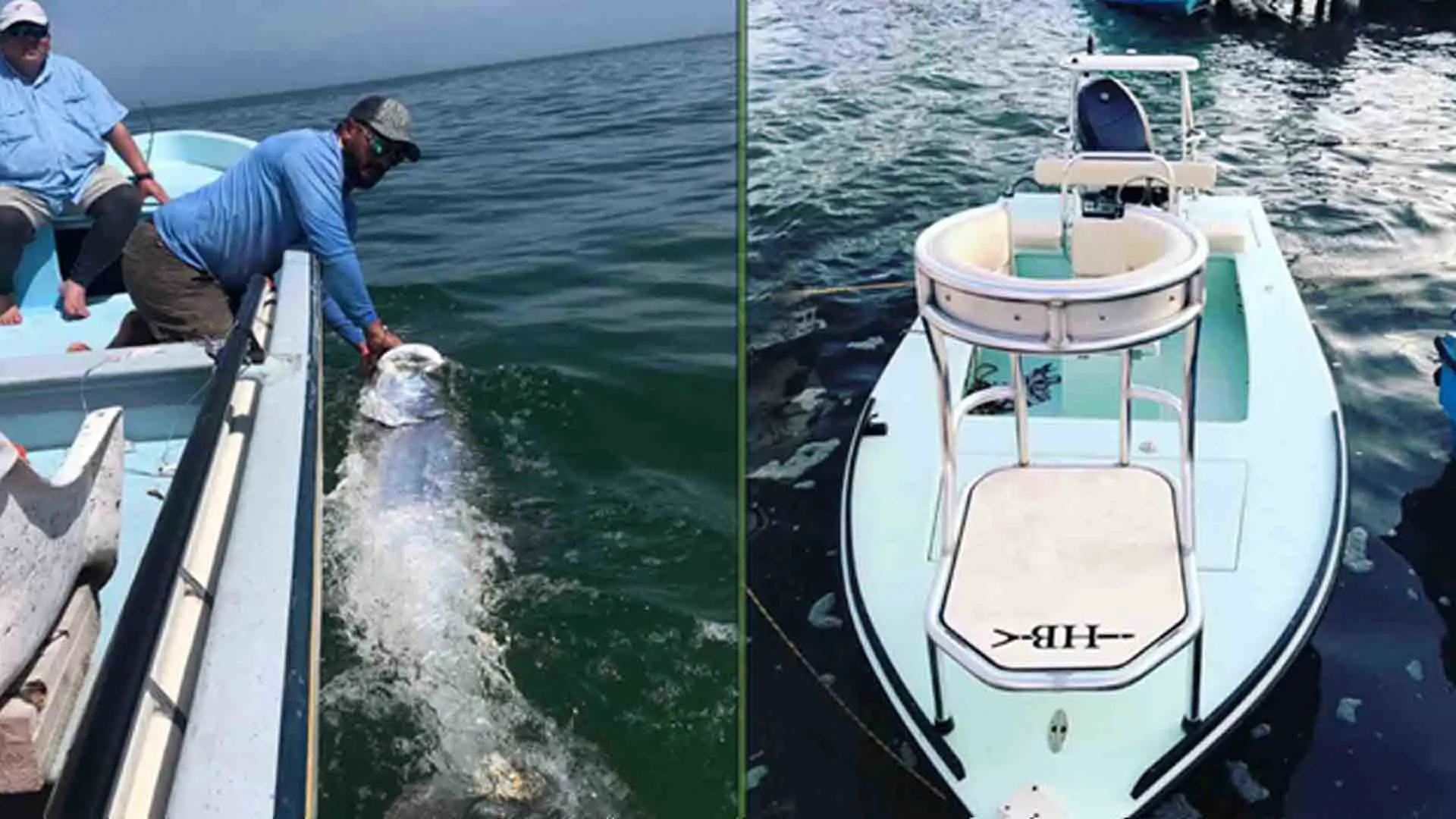
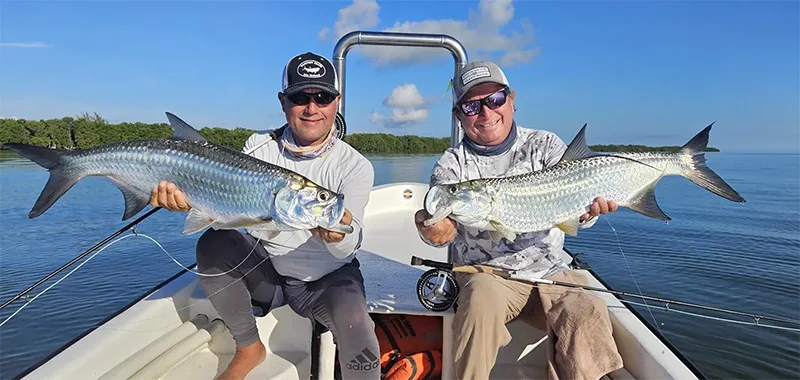
The cage (pictured above on the right) is used in June for giant tarpon.
Methods: Most guests target tarpon with fly gear, though spinning tackle is also highly effective.
Boats: Fishing is done from 18- to 23-foot flats-style pangas with 50-HP motors. Each boat accommodates one to two anglers and includes an English-speaking guide.
Guides: The guiding team is led by Sandflea, a legendary head guide with more than 30 years of experience, who personally trains and oversees the staff.
Equipment: Fishing gear is not included but can be rented. Spin or fly outfits—including rod, reel, leaders, and flies—are available for $50 per person per day, with a $100 breakage fee. A detailed tackle list is provided in your confirmation packet.
Fishing License: Fishing licenses are not included. They cost about $25 per week and must be purchased online in advance.


Island Life, Lodging, and Meals
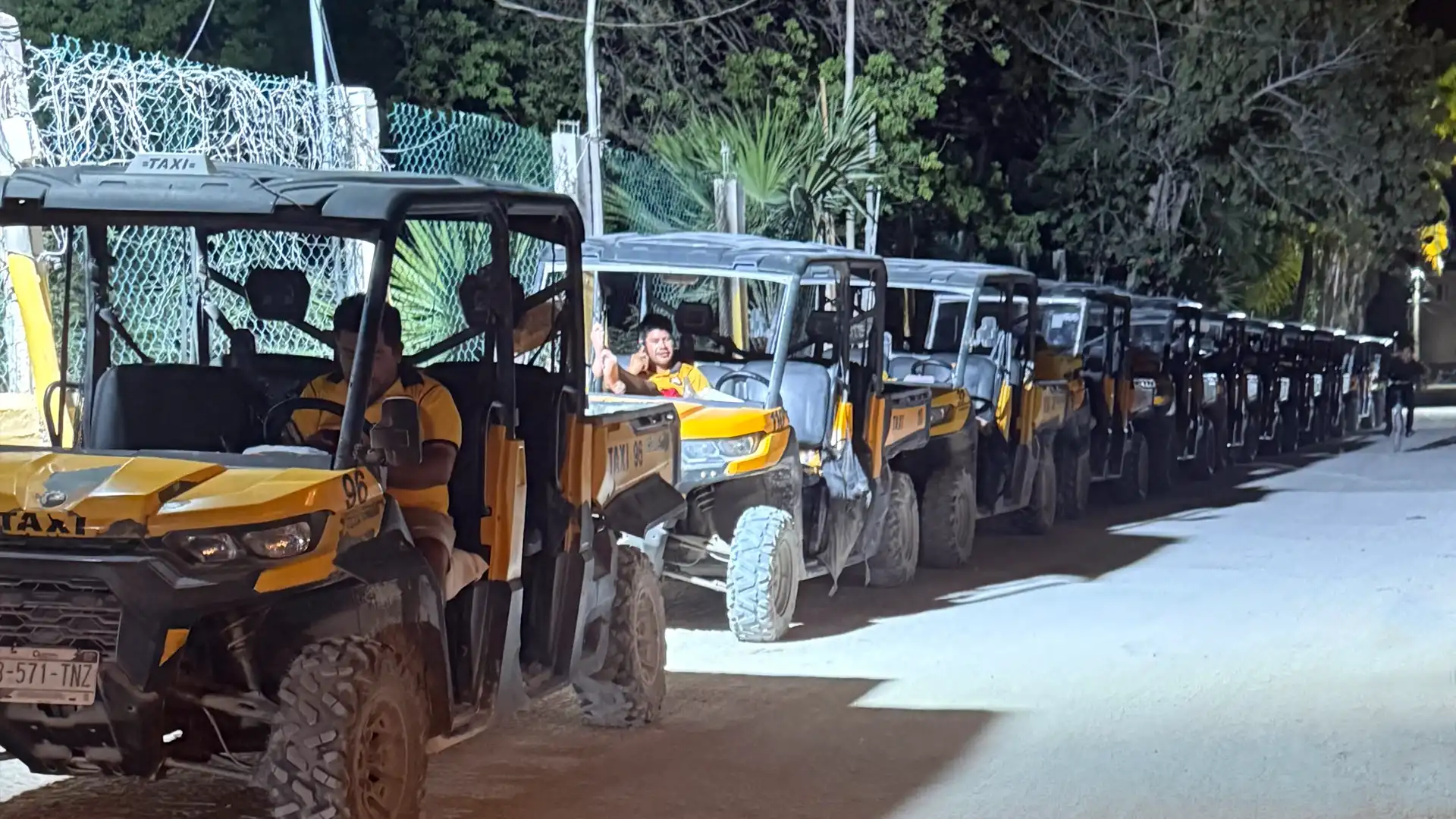
Transportation: On Holbox, golf carts and walking are the only means of transportation, adding to the island’s relaxed charm.
Accommodations: Hotel nights are not included in the package, but recommendations are provided in our confirmation packet.
Meals: Boxed lunches are provided on the boat. Breakfast may be available through your hotel, though some hotels may not begin service early enough for the 6:00 a.m. fishing departure. Dinners are on your own at one of the many inviting restaurants in the village.
Non-Anglers: Non-anglers can spend their days lounging on the beach with a good book, watching for whales, exploring Mayan ruins, or browsing the quaint shops that make this island paradise so unique.
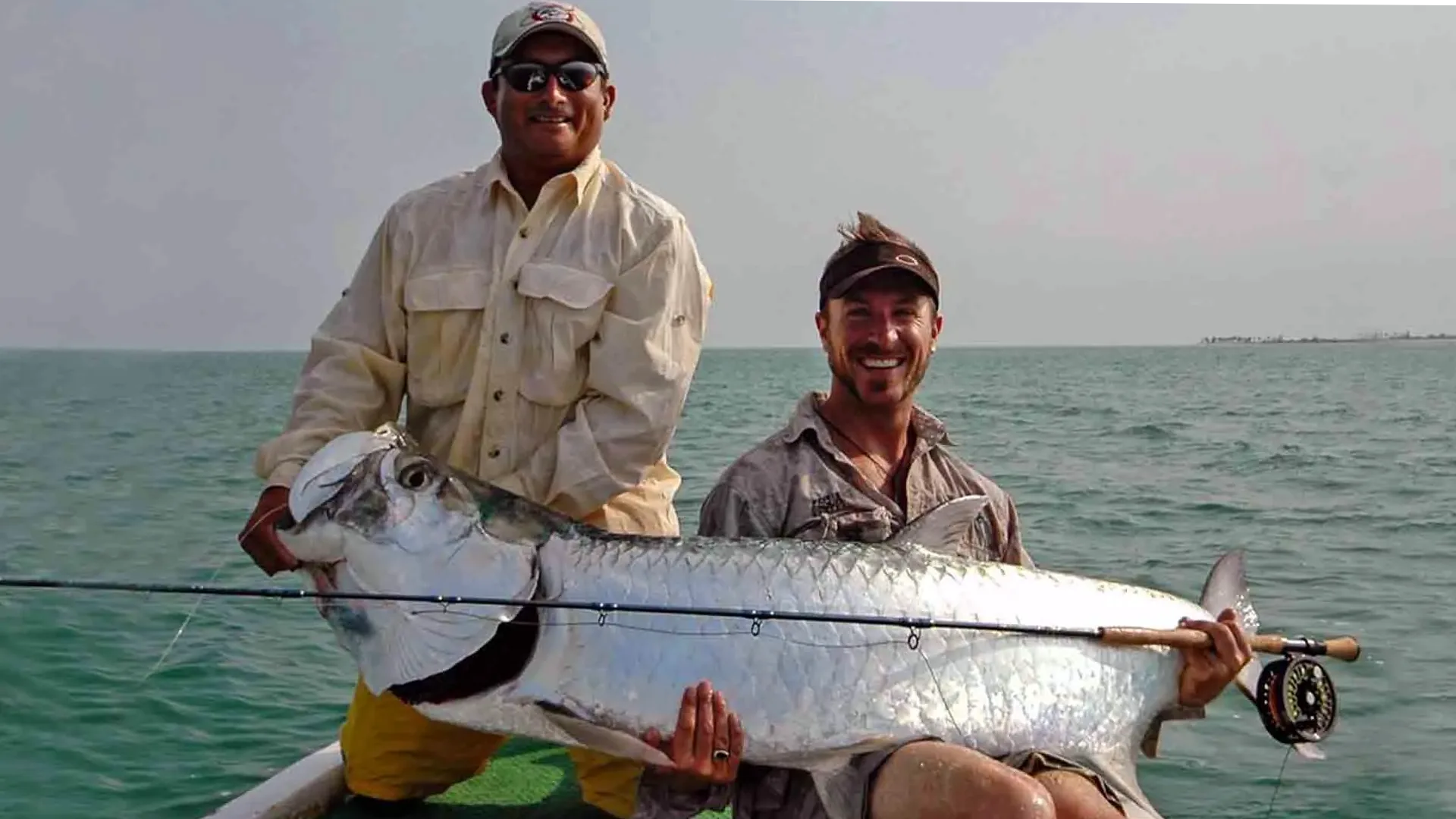
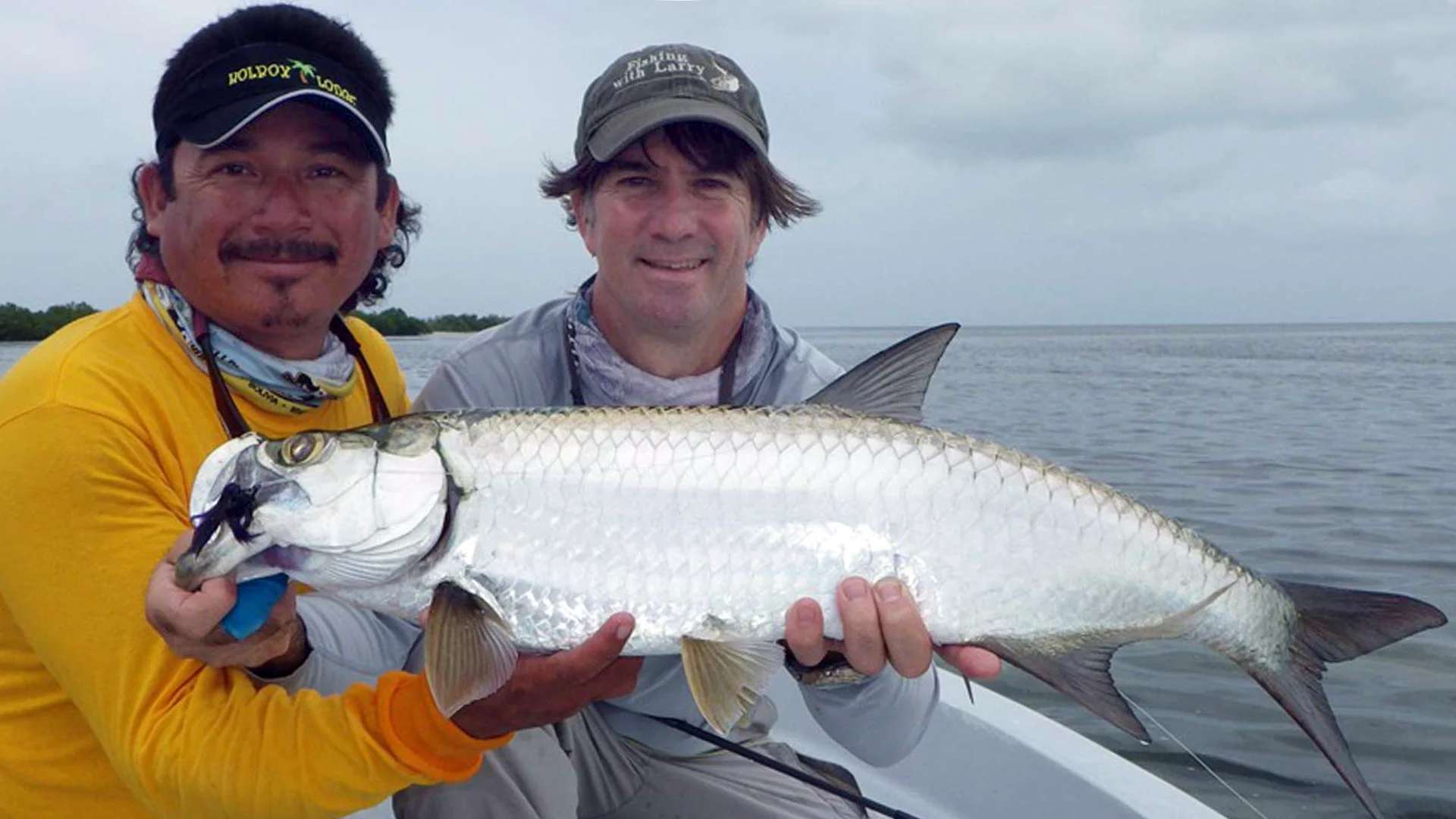
Guide and our Agent Brad Staples with Tarpon

Getting to Holbox Island
Quick Travel Summary:
• Fly to Cancún, Mexico
• 2.5-hour ground transfer to Chiquilá
• 30-minute ferry to Holbox
• Golf carts + walking on island
You’ll fly into Cancún, Mexico, with the international airport serviced by all major U.S. airlines. From there, a ground transfer takes you through the Yucatán jungle to the port town of Chiquilá—about a two-and-a-half-hour drive. (Roundtrip transfers cost approximately $400 for one to two guests.) In Chiquilá, you’ll purchase a ferry ticket (about $45 roundtrip) for the 30-minute ride to Holbox Island. If your hotel does not provide a shuttle, taxis are available for the short ride to your accommodations.